

Thousands of state pensioners could be missing out on almost £6,000 a year in Department for Work and Pensions (DWP) support through a little-known benefit designed to help those with health conditions or disabilities.
Attendance Allowance provides tax-free financial support to people over state pension age who need help with personal care because of a physical or mental health condition.
The higher rate of Attendance Allowance increased from £110.40 to £114.60 per week in April, giving eligible claimants an additional £218.40 over the course of a year.
The payment is made on top of the state pension and is not means-tested, meaning entitlement is not affected by a person's income or savings.
Attendance Allowance is tax‑free, meaning recipients keep the full amount if they qualify.
Payments depend on the level of care a claimant needs during the day or at night.
Those who require help either during the day or overnight receive the lower rate of £76.70 a week, while people needing support both during the day and at night qualify for the higher rate of £114.60.
Anyone who is terminally ill automatically receives the higher rate.
At the current higher rate, Attendance Allowance is worth almost £6,000 a year on top of a claimant’s state pension.

According to Age UK, receiving Attendance Allowance does not reduce any other benefits a person already receives.
The charity also says a successful claim could increase entitlement to other forms of financial support, including Pension Credit, Housing Benefit and council tax reductions.
To qualify, applicants must have reached state pension age and have a disability or physical or mental health condition that means they need help with personal care.
According to Age UK, qualifying conditions can include sight or hearing impairments as well as illnesses such as dementia.
Applicants do not need to be receiving care already, but they must show they would benefit from help with everyday personal care tasks such as washing, dressing or staying safe during the day or night.
LATEST DEVELOPMENTS
- Inheritance tax alert: Retirees rush to protect pensions ahead of major changes
- State pension to 'account for half' of DWP benefit spending as triple lock future in doubt
- Pension tax relief should only reward savers who invest in Britain, Andy Burnham ally says
In most cases, claimants must have needed this level of support for at least six months before making an application.
However, people who are terminally ill can claim immediately without having to complete the usual waiting period.
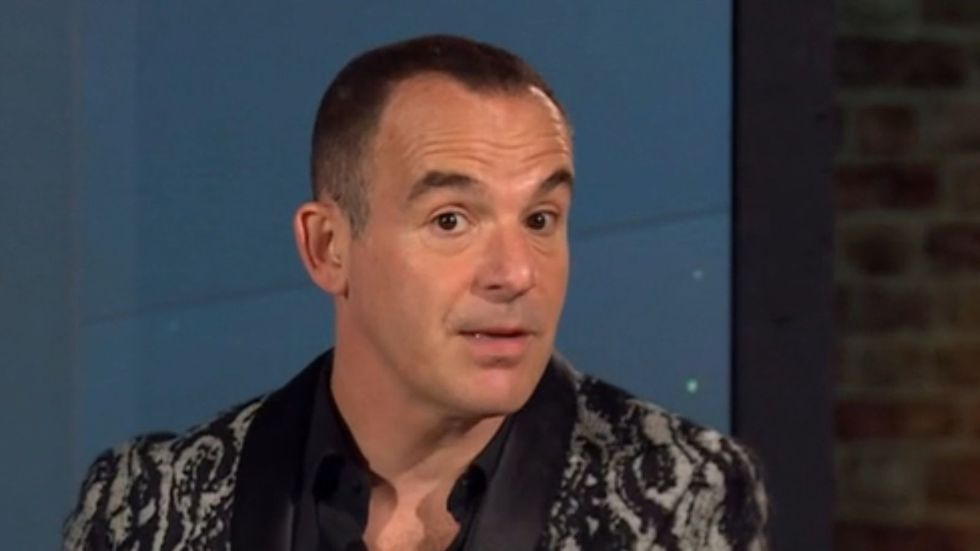
Money saving expert Martin Lewis has previously explained what qualifies as needing help when applying for Attendance Allowance.
Speaking on The Martin Lewis Money Show Live, Mr Lewis referred to a legal definition dating back to 1981.
Mr Lewis said: "This is help with bodily functions including breathing, hearing, seeing, eating, drinking, walking, sitting, sleeping, getting in or out of bed, dressing, undressing, eliminating waste products and the like."
He said the benefit is commonly claimed by people living with conditions including Parkinson's disease, physical disabilities, dementia and terminal illnesses.
Applications can also be made on behalf of another person if they understand the process or if the applicant holds Power of Attorney to act on their behalf.
Our Standards: The GB News Editorial Charter
from GB News https://ift.tt/nNps50O
Thousands of state pensioners could be missing out on almost £6,000 a year in Department for Work and Pensions (DWP) support through a little-known benefit designed to help those with health conditions or disabilities.
Attendance Allowance provides tax-free financial support to people over state pension age who need help with personal care because of a physical or mental health condition.
The higher rate of Attendance Allowance increased from £110.40 to £114.60 per week in April, giving eligible claimants an additional £218.40 over the course of a year.
The payment is made on top of the state pension and is not means-tested, meaning entitlement is not affected by a person's income or savings.
Attendance Allowance is tax‑free, meaning recipients keep the full amount if they qualify.
Payments depend on the level of care a claimant needs during the day or at night.
Those who require help either during the day or overnight receive the lower rate of £76.70 a week, while people needing support both during the day and at night qualify for the higher rate of £114.60.
Anyone who is terminally ill automatically receives the higher rate.
At the current higher rate, Attendance Allowance is worth almost £6,000 a year on top of a claimant’s state pension.
According to Age UK, receiving Attendance Allowance does not reduce any other benefits a person already receives.
The charity also says a successful claim could increase entitlement to other forms of financial support, including Pension Credit, Housing Benefit and council tax reductions.
To qualify, applicants must have reached state pension age and have a disability or physical or mental health condition that means they need help with personal care.
According to Age UK, qualifying conditions can include sight or hearing impairments as well as illnesses such as dementia.
Applicants do not need to be receiving care already, but they must show they would benefit from help with everyday personal care tasks such as washing, dressing or staying safe during the day or night.
LATEST DEVELOPMENTS
- Inheritance tax alert: Retirees rush to protect pensions ahead of major changes
- State pension to 'account for half' of DWP benefit spending as triple lock future in doubt
- Pension tax relief should only reward savers who invest in Britain, Andy Burnham ally says
In most cases, claimants must have needed this level of support for at least six months before making an application.
However, people who are terminally ill can claim immediately without having to complete the usual waiting period.
Money saving expert Martin Lewis has previously explained what qualifies as needing help when applying for Attendance Allowance.
Speaking on The Martin Lewis Money Show Live, Mr Lewis referred to a legal definition dating back to 1981.
Mr Lewis said: "This is help with bodily functions including breathing, hearing, seeing, eating, drinking, walking, sitting, sleeping, getting in or out of bed, dressing, undressing, eliminating waste products and the like."
He said the benefit is commonly claimed by people living with conditions including Parkinson's disease, physical disabilities, dementia and terminal illnesses.
Applications can also be made on behalf of another person if they understand the process or if the applicant holds Power of Attorney to act on their behalf.
Our Standards: The GB News Editorial Charter





0 Comments
Don't share any link