

Patients have been told they have cancer via the NHS app and over a phone call.
Individuals have discovered they suffer from chronic and terminal illnesses such as cancer, Parkinson's disease and chronic kidney disease, via online platforms, video consultations and phone conversations.
Campaigners have accused the NHS of failing in its fundamental duty of care, urging the health service to deliver serious diagnoses in person.
Two mothers told the Telegraph that they had separately learned through telephone calls that their children had been diagnosed with rare muscle-wasting conditions.
The growing reliance on digital communication has left patients without immediate access to medical professionals who could answer their questions or provide support.
Steve, a patient from London, received his early-onset Parkinson's disease diagnosis in April 2023 after discovering the results on the NHS app's test results page.
He described the experience as "absolutely outrageous and frustrating," saying he had been "let down by the NHS on numerous occasions."
When he sought further support, the health service informed him they were overwhelmed with Parkinson's referrals and that he would simply have to "sit tight and wait."
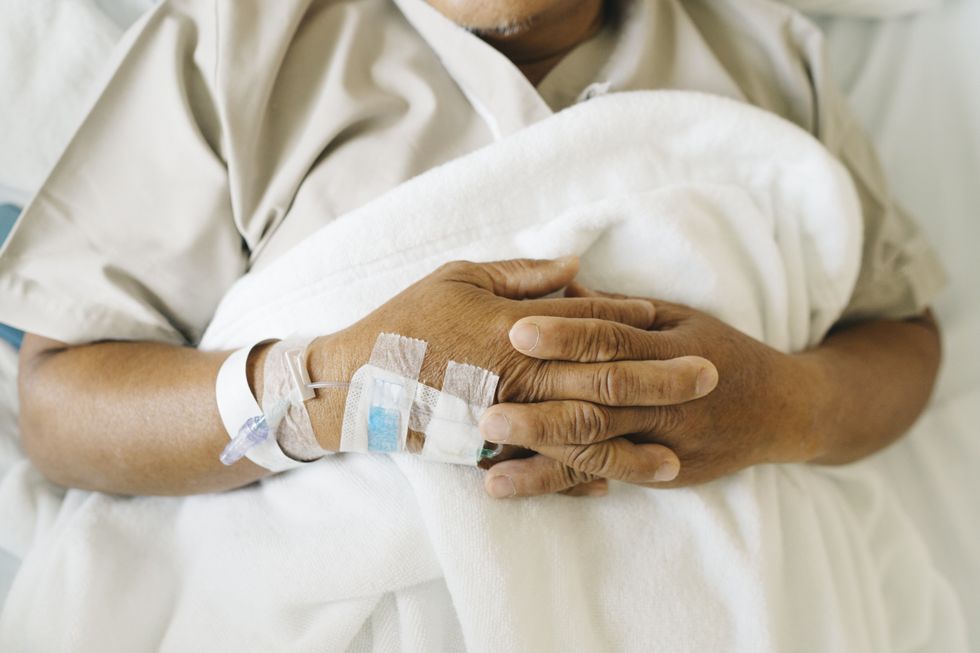
Another Parkinson's patient, Dawn, learned of her condition four days after undergoing tests when she read correspondence between the hospital and her GP that had been uploaded to the app.
She had no appointment with a neurologist scheduled for another 12 months, leaving her without specialist guidance following the life-changing discovery.
Richard Carder, a 69-year-old retired police officer from Devon, discovered he had chronic kidney disease in June 2024 after checking his annual health check results on the app.
Having heard nothing from his GP, he researched what his elevated creatinine levels indicated and concluded he likely had the condition, which involves irreparable kidney damage.
LATEST DEVELOPMENTS:
- 'My symptoms never seemed serious - then I was diagnosed with stage 4 cancer at 31'
- 'Important not to ignore': Doctors share bathroom changes that could signal early cancer
- NHS jab targeting dozens of cancers could slash treatment time by 90%
He arranged a GP appointment for three weeks later, but received a text message that Friday confirming the diagnosis, leaving him without professional support over the weekend.
"I did panic in some ways, which is why I went on to 'Dr Google'. It was foolish but it was the only way I could get information," he told the Telegraph.
"I was reading the worst-case scenario and couldn't actually ring a professional for help until Monday."
When Mr Carder contacted his GP surgery, the receptionist dismissed his concerns, telling him he should not worry because chronic kidney disease was common.
"I said, 'It might be to you, but it's not to me.' She was quite blasé and there was a little lack of compassion," he recalled.
He later questioned his GP about the text message timing, and the doctor acknowledged it "probably wasn't the best thing to do."
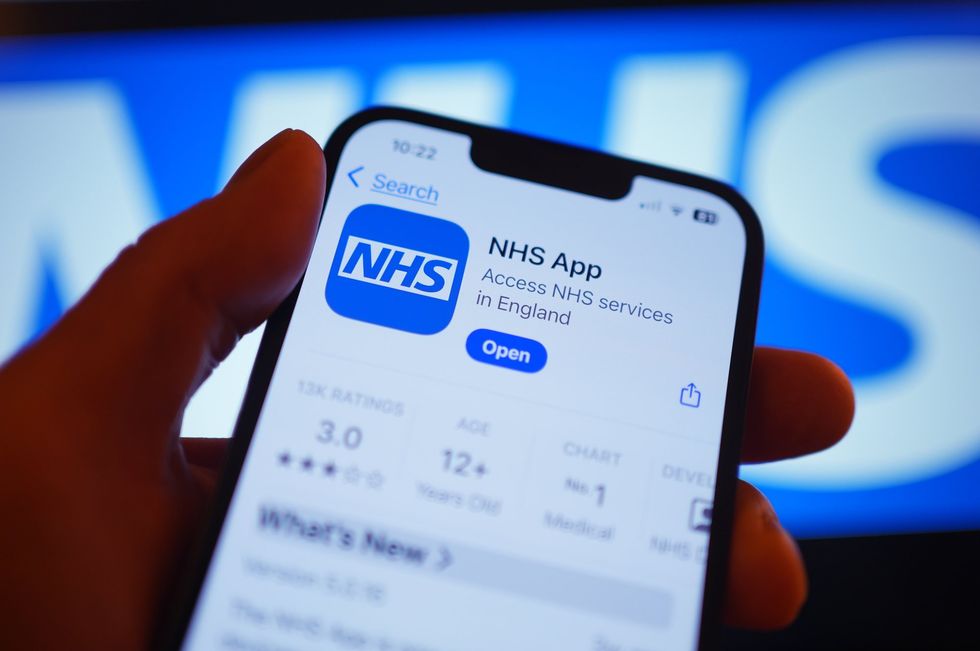
These experiences reflect the consequences of Health Secretary Wes Streeting's drive to digitise the health service, with his vision of a revamped NHS app functioning like a "doctor in your pocket."
However, diagnostic reports such as brain scans and cancer screenings are now being uploaded to patient records simultaneously with their transmission to consultants, often before any appointment can be arranged.
An NHS spokesman said: “Sensitive results should always be delivered in person by a clinician, where patients can ask questions and be offered the right support.
“That’s why NHS England has recently reissued guidance to local leaders making clear procedures should be in place to ensure patients don’t receive diagnoses for serious conditions through digital channels like the NHS app.”
Our Standards: The GB News Editorial Charter
from GB News https://ift.tt/ufM0VrS
Patients have been told they have cancer via the NHS app and over a phone call.
Individuals have discovered they suffer from chronic and terminal illnesses such as cancer, Parkinson's disease and chronic kidney disease, via online platforms, video consultations and phone conversations.
Campaigners have accused the NHS of failing in its fundamental duty of care, urging the health service to deliver serious diagnoses in person.
Two mothers told the Telegraph that they had separately learned through telephone calls that their children had been diagnosed with rare muscle-wasting conditions.
The growing reliance on digital communication has left patients without immediate access to medical professionals who could answer their questions or provide support.
Steve, a patient from London, received his early-onset Parkinson's disease diagnosis in April 2023 after discovering the results on the NHS app's test results page.
He described the experience as "absolutely outrageous and frustrating," saying he had been "let down by the NHS on numerous occasions."
When he sought further support, the health service informed him they were overwhelmed with Parkinson's referrals and that he would simply have to "sit tight and wait."
Another Parkinson's patient, Dawn, learned of her condition four days after undergoing tests when she read correspondence between the hospital and her GP that had been uploaded to the app.
She had no appointment with a neurologist scheduled for another 12 months, leaving her without specialist guidance following the life-changing discovery.
Richard Carder, a 69-year-old retired police officer from Devon, discovered he had chronic kidney disease in June 2024 after checking his annual health check results on the app.
Having heard nothing from his GP, he researched what his elevated creatinine levels indicated and concluded he likely had the condition, which involves irreparable kidney damage.
LATEST DEVELOPMENTS:
- 'My symptoms never seemed serious - then I was diagnosed with stage 4 cancer at 31'
- 'Important not to ignore': Doctors share bathroom changes that could signal early cancer
- NHS jab targeting dozens of cancers could slash treatment time by 90%
He arranged a GP appointment for three weeks later, but received a text message that Friday confirming the diagnosis, leaving him without professional support over the weekend.
"I did panic in some ways, which is why I went on to 'Dr Google'. It was foolish but it was the only way I could get information," he told the Telegraph.
"I was reading the worst-case scenario and couldn't actually ring a professional for help until Monday."
When Mr Carder contacted his GP surgery, the receptionist dismissed his concerns, telling him he should not worry because chronic kidney disease was common.
"I said, 'It might be to you, but it's not to me.' She was quite blasé and there was a little lack of compassion," he recalled.
He later questioned his GP about the text message timing, and the doctor acknowledged it "probably wasn't the best thing to do."
These experiences reflect the consequences of Health Secretary Wes Streeting's drive to digitise the health service, with his vision of a revamped NHS app functioning like a "doctor in your pocket."
However, diagnostic reports such as brain scans and cancer screenings are now being uploaded to patient records simultaneously with their transmission to consultants, often before any appointment can be arranged.
An NHS spokesman said: “Sensitive results should always be delivered in person by a clinician, where patients can ask questions and be offered the right support.
“That’s why NHS England has recently reissued guidance to local leaders making clear procedures should be in place to ensure patients don’t receive diagnoses for serious conditions through digital channels like the NHS app.”
Our Standards: The GB News Editorial Charter


0 Comments
Don't share any link