

Japan has approved the most significant revision to its defence export regulations in decades, eliminating restrictions on overseas arms sales that have been in place since the World War Two.
The Cabinet of Prime Minister Sanae Takaichi endorsed new guidelines that clear the final obstacles for the country to sell warships, missiles and other lethal military equipment abroad.
The policy shift comes as Japan accelerates efforts to strengthen its military capabilities amid mounting regional security concerns.
Japan's Government is also looking to bolster its domestic defence manufacturing sector and forge closer ties with allied nations.
Ms Takaichi said: "Partner countries that support each other in terms of defence equipment are necessary.
"There is absolutely no change in our commitment to upholding the path and fundamental principles we have followed as a peace-loving nation for over 80 years since the war."
Under the new framework, Tokyo would strategically promote equipment transfers whilst applying even more rigorous scrutiny to determine whether individual sales should proceed.
The revised regulations eliminate five export categories that previously confined most military sales to non-lethal equipment such as rescue vehicles, transport aircraft, surveillance systems and mine-clearing apparatus.
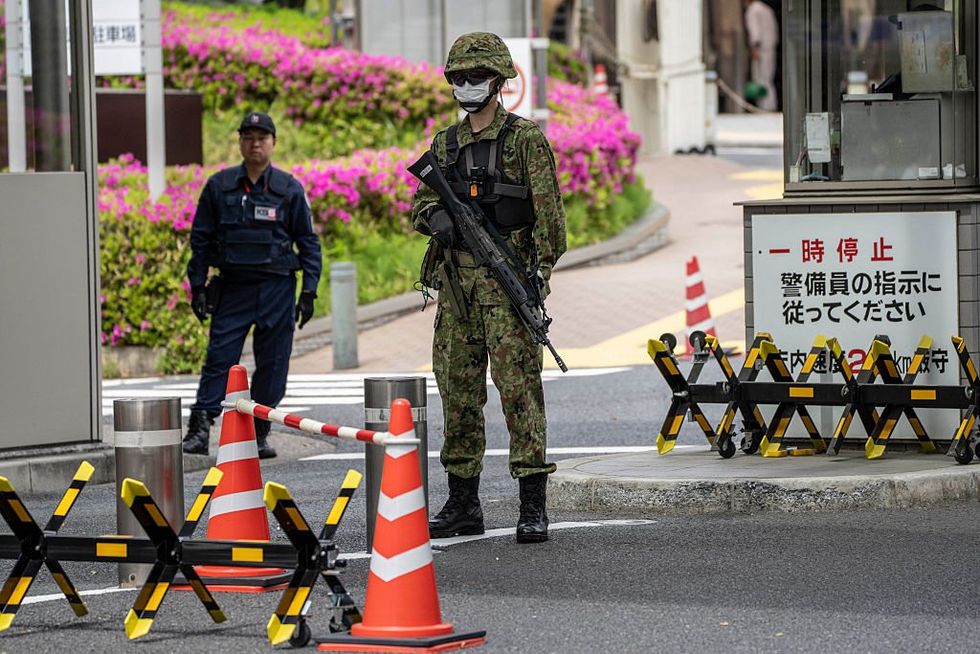
Under the new framework, ministers and Government officials will evaluate each proposed arms sale on its individual merits rather than applying blanket restrictions.
Tokyo has retained three core export principles requiring thorough vetting of potential buyers, strict controls preventing onwards transfers to third parties, and a prohibition on selling weapons to nations engaged in armed conflict.
However, Tokyo indicated exceptions to these rules could be permitted when national security considerations demand it.
The overhaul also reflects Japan's desire to diversify its defence partnerships as United States security commitments appear less certain under President Donald Trump.
LATEST DEVELOPMENTS
- Japan migrant protests: Demonstrations shake JAPAN after country sets up 'hometowns' for African 'partners'
- Taiwan war fears skyrocket after China warns Japan: 'Play with fire and you'll perish'
- Keir Starmer touches down in Japan as PM urges 'strength and unity' amid global turmoil
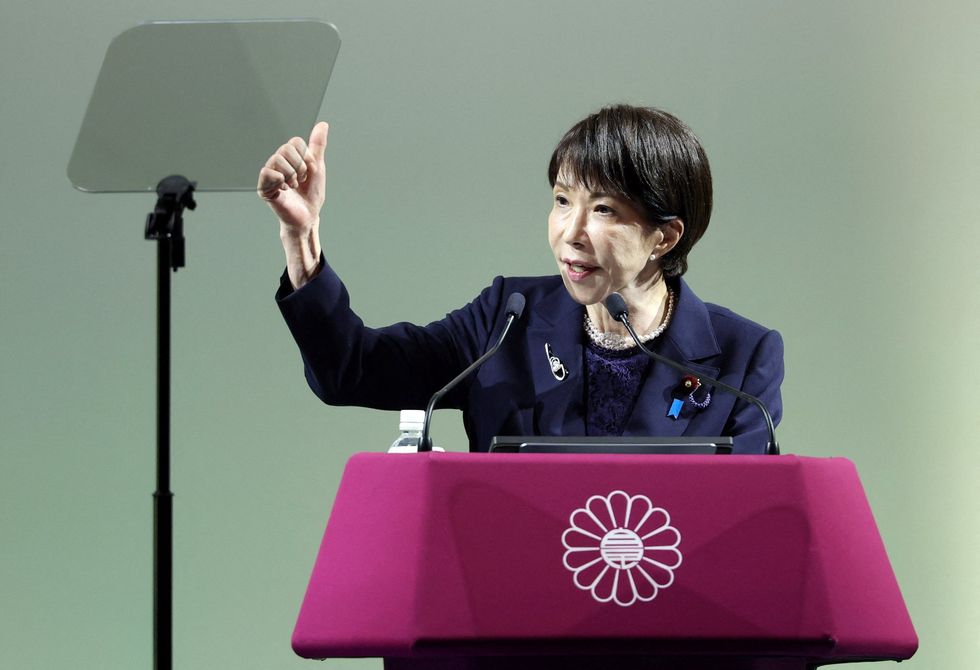
China responded sharply to the announcement, with foreign ministry spokesman Guo Jiakun expressing deep concern at a daily press briefing.
"China will remain highly vigilant and resolutely resist any reckless actions by Japan towards a new form of militarism," he warned.
Relations between the two Asian powers have deteriorated since MsTakaichi suggested in November a Chinese assault on Taiwan threatening Japan's survival could prompt a military response.
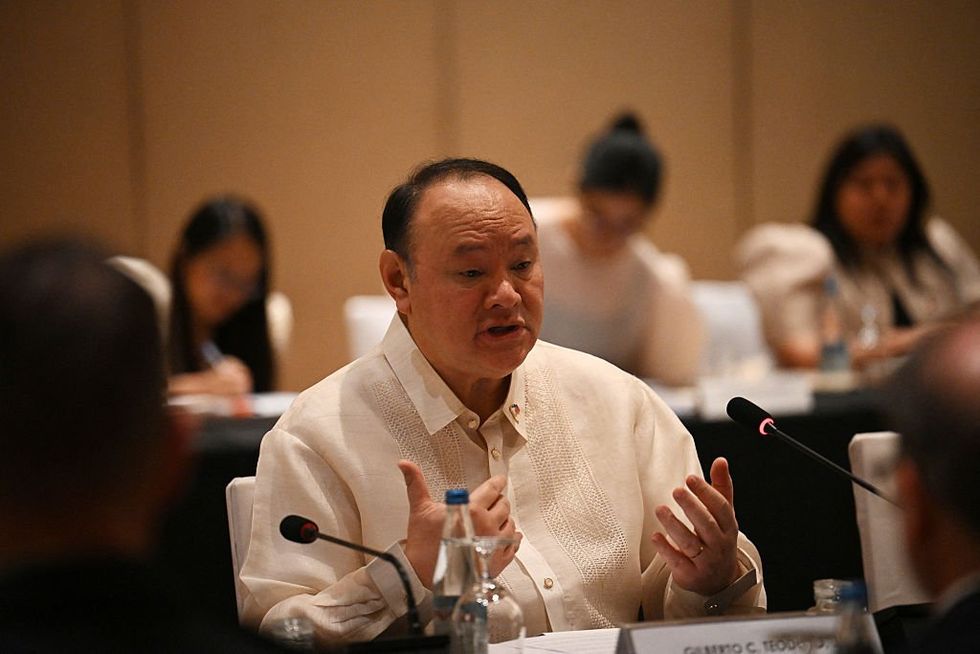
By contrast, the Philippines warmly embraced the development. Defence Secretary Gilberto Teodoro said the change would grant access to "articles of the highest quality" that would strengthen domestic resilience and contribute to regional stability through deterrence.
US Ambassador to Japan George Glass described the move as a "historic step" to bolster collective defence, whilst Germany's envoy Petra Sigmund highlighted opportunities for deeper cooperation aimed at enhancing global stability.
Tokyo anticipates expanding defence exports will strengthen its industrial base by increasing production volumes, reducing unit costs and building manufacturing capacity that could prove vital during a military crisis.
Mitsubishi Heavy Industries possesses the capability to produce sophisticated systems, including submarines, fighter aircraft and missiles, although the company has historically relied on limited orders from a single customer: Japan's Self-Defense Forces.
The firm recently secured a £5.7billion contract to construct three warships for Australia's navy, signalling the commercial potential of the relaxed export rules.
Japan is additionally collaborating with Britain and Italy on a next-generation fighter jet scheduled for deployment in the mid-2030s, a partnership designed to share development expenses and access cutting-edge technology.
Defence spending has risen steadily to two per cent of GDP, with further increases anticipated this year.
Our Standards: The GB News Editorial Charter
from GB News https://ift.tt/Phkbdzr
Japan has approved the most significant revision to its defence export regulations in decades, eliminating restrictions on overseas arms sales that have been in place since the World War Two.
The Cabinet of Prime Minister Sanae Takaichi endorsed new guidelines that clear the final obstacles for the country to sell warships, missiles and other lethal military equipment abroad.
The policy shift comes as Japan accelerates efforts to strengthen its military capabilities amid mounting regional security concerns.
Japan's Government is also looking to bolster its domestic defence manufacturing sector and forge closer ties with allied nations.
Ms Takaichi said: "Partner countries that support each other in terms of defence equipment are necessary.
"There is absolutely no change in our commitment to upholding the path and fundamental principles we have followed as a peace-loving nation for over 80 years since the war."
Under the new framework, Tokyo would strategically promote equipment transfers whilst applying even more rigorous scrutiny to determine whether individual sales should proceed.
The revised regulations eliminate five export categories that previously confined most military sales to non-lethal equipment such as rescue vehicles, transport aircraft, surveillance systems and mine-clearing apparatus.
Under the new framework, ministers and Government officials will evaluate each proposed arms sale on its individual merits rather than applying blanket restrictions.
Tokyo has retained three core export principles requiring thorough vetting of potential buyers, strict controls preventing onwards transfers to third parties, and a prohibition on selling weapons to nations engaged in armed conflict.
However, Tokyo indicated exceptions to these rules could be permitted when national security considerations demand it.
The overhaul also reflects Japan's desire to diversify its defence partnerships as United States security commitments appear less certain under President Donald Trump.
LATEST DEVELOPMENTS
- Japan migrant protests: Demonstrations shake JAPAN after country sets up 'hometowns' for African 'partners'
- Taiwan war fears skyrocket after China warns Japan: 'Play with fire and you'll perish'
- Keir Starmer touches down in Japan as PM urges 'strength and unity' amid global turmoil
China responded sharply to the announcement, with foreign ministry spokesman Guo Jiakun expressing deep concern at a daily press briefing.
"China will remain highly vigilant and resolutely resist any reckless actions by Japan towards a new form of militarism," he warned.
Relations between the two Asian powers have deteriorated since MsTakaichi suggested in November a Chinese assault on Taiwan threatening Japan's survival could prompt a military response.
By contrast, the Philippines warmly embraced the development. Defence Secretary Gilberto Teodoro said the change would grant access to "articles of the highest quality" that would strengthen domestic resilience and contribute to regional stability through deterrence.
US Ambassador to Japan George Glass described the move as a "historic step" to bolster collective defence, whilst Germany's envoy Petra Sigmund highlighted opportunities for deeper cooperation aimed at enhancing global stability.
Tokyo anticipates expanding defence exports will strengthen its industrial base by increasing production volumes, reducing unit costs and building manufacturing capacity that could prove vital during a military crisis.
Mitsubishi Heavy Industries possesses the capability to produce sophisticated systems, including submarines, fighter aircraft and missiles, although the company has historically relied on limited orders from a single customer: Japan's Self-Defense Forces.
The firm recently secured a £5.7billion contract to construct three warships for Australia's navy, signalling the commercial potential of the relaxed export rules.
Japan is additionally collaborating with Britain and Italy on a next-generation fighter jet scheduled for deployment in the mid-2030s, a partnership designed to share development expenses and access cutting-edge technology.
Defence spending has risen steadily to two per cent of GDP, with further increases anticipated this year.
Our Standards: The GB News Editorial Charter



0 Comments
Don't share any link